


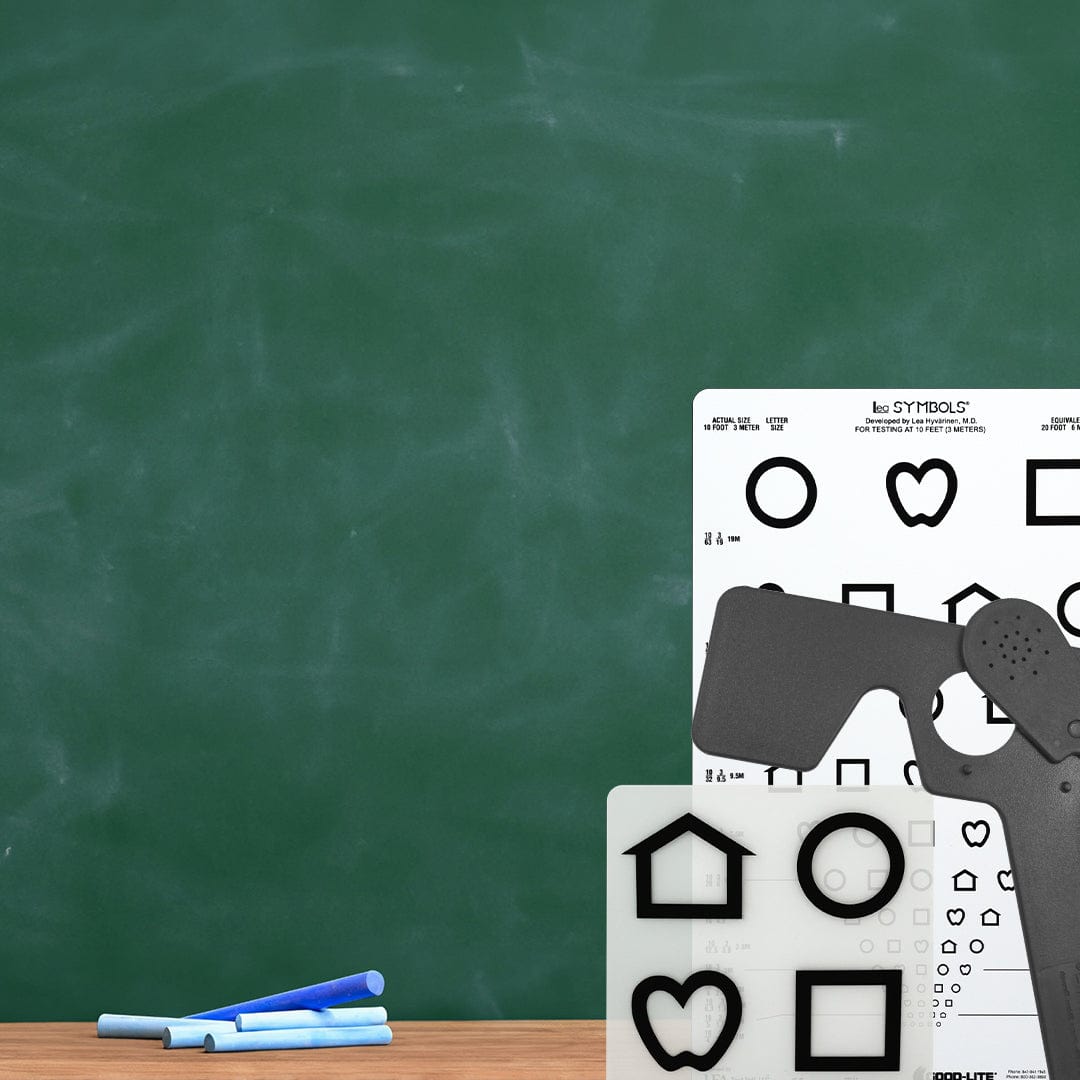

Across California, a growing number of children are being identified with vision problems but never receiving the care they need. A recent report shows that access to eye exams is declining, even as vision issues among children become more common.
Nearly every county in the state has seen a drop in children’s eye exams over the past decade. Among school-age children on Medi-Cal, just 16% received vision care between 2022 and 2024, down from 19% eight years earlier. The trend suggests that fewer children are getting the exams, prescriptions, and glasses they need, even as demand increases.

When Vision Problems Are Mistaken for Behavior Issues
For some children, the consequences of missed vision care begin early and are often misunderstood. Kekoa Gittens was just 3 years old when his preschool teachers began raising concerns about his behavior and engagement in class.
It was not a behavioral issue. He simply could not see clearly.
After being referred to an eye doctor, Kekoa was diagnosed with myopic degeneration, a severe form of nearsightedness. His mother later explained that young children often cannot communicate what they are experiencing, noting that they are too young to say they cannot see the board.
“They are too little. They don’t know how to express themselves and say, ‘I cannot see it, teacher.’”
— Sonia Gittens
Today, Kekoa is a successful high school student, but his story reflects a broader issue. Many children do not receive vision care until they are already struggling in school.
Fewer Children Are Getting Eye Exams
Vision problems are becoming more common among children in the United States. According to federal data, roughly one in four school-age children, or 25%, wear glasses or contact lenses.
Despite this, access to care is declining in California. The report commissioned by the California Optometric Association found that 47 out of 58 counties saw a decline in children receiving eye exams or glasses.
Some regions experienced significant drops. In Colusa County, the share of children receiving vision care fell from 20% in 2015–16 to just under 2% in 2022–24.
Healthcare consultant David Maxwell-Jolly described the findings as far below expectations, noting that the numbers are much lower than what would be expected if the system were effectively identifying and treating children with vision problems.
Screenings Are Not Leading to Treatment
California law requires schools to conduct regular vision screenings starting in kindergarten. While these screenings are effective at identifying children who may have issues, they are only the first step.
The larger problem is follow-up care. Pediatric optometrist Ida Chung explained that in some school settings, as many as 35% of students fail vision screenings, yet only about 7% go on to receive an eye exam and return with glasses.
Chung emphasized that if children are not receiving follow-up care, screenings risk becoming a compliance exercise rather than a meaningful intervention.
Barriers to Care Continue to Grow
For many families, accessing vision care is not straightforward. Cost, provider availability, and logistical challenges all contribute to the problem. In rural areas, access can be especially limited.
In Modoc County, for example, a single optometrist serves a 90-mile radius. Health plan officials note that losing even one provider can significantly reduce access for families.
Low reimbursement rates are another major barrier. According to the California Optometric Association, only about 10% of optometrists accept Medi-Cal. The reimbursement rate for a comprehensive eye exam is approximately $47, a figure that has not increased in decades.
Association representatives have pointed out that providers are effectively being paid at rates similar to those from 25 years ago, making it difficult to sustain participation in the program.
How Missed Vision Care Affects Learning
Uncorrected vision problems can significantly affect how children perform in school. Reading, writing, and focusing in class all depend on clear vision, and when children cannot see properly, the impact often shows up as academic or behavioral challenges.
Programs like Vision to Learn are working to address this gap by bringing mobile eye clinics directly to schools. These programs allow students to receive exams and order glasses on-site, reducing the barriers to care.
According to the organization, about 70% of students who are prescribed glasses do not own a pair, while another 20% have outdated prescriptions. For many children, receiving glasses for the first time can be a transformative experience, allowing them to see clearly both in the classroom and beyond.
Closing the Gap Between Screening and Care
The gap between identifying vision problems and treating them is becoming one of the most pressing challenges in pediatric vision care. Screening systems are in place, but without consistent follow-up, their impact remains limited.
Efforts are underway to improve tracking and accountability. Proposed legislation aims to require the state to establish quality measures for vision care and report performance data publicly, helping identify where access is lacking.
Ultimately, improving outcomes will depend on more than detection. It will require systems that ensure children move from screening to treatment, receiving the exams and corrective care needed to support both learning and long-term development.
Source: California kids are going without vision care. It’s getting worse


