



Screens have become part of almost every aspect of modern life. From work and education to communication and entertainment, many people spend hours each day focused on digital devices. While technology has created new opportunities and conveniences, eye care professionals are increasingly asking whether the long-term impact on vision is becoming a growing public health concern.
Recent discussions around eye health have shifted beyond temporary symptoms such as tired eyes and headaches. Increasingly, attention is turning toward the potential connection between prolonged screen time, reduced outdoor activity, and the rising prevalence of myopia around the world.
Research cited in the article suggests that myopia could affect nearly 52% of the global population by 2050, highlighting why many experts view the condition as one of the most significant vision challenges of the coming decades.
While many people associate excessive screen time with temporary discomfort, researchers are increasingly investigating its potential long-term impact on vision development.
Digital eye strain is only part of the story
Most people are familiar with the symptoms of digital eye strain. Dry eyes, blurred vision, headaches, and eye fatigue are common complaints among individuals who spend long periods working on computers, tablets, or smartphones.
While these symptoms are often temporary, they may represent a larger issue. Extended periods of near work require the eye's focusing system to remain active for long durations, placing ongoing demands on the visual system.
Reduced blinking during device use can further contribute to discomfort by disrupting the tear film that keeps the eye lubricated. This can leave users experiencing irritation, dryness, and fluctuating vision throughout the day.
The concern is not simply that screens cause temporary discomfort. Researchers are increasingly examining whether long-term visual habits may be contributing to structural changes associated with myopia development.
The rise of childhood myopia is raising concern
One of the biggest concerns surrounding increased screen use involves children. Unlike adults, children's eyes are still developing, making them particularly sensitive to environmental influences that may affect visual growth.
Several studies have linked increased near work and reduced outdoor activity with a higher risk of developing myopia. During the COVID-19 pandemic, these concerns became even more visible as remote learning dramatically increased daily screen exposure while reducing time spent outdoors.
Growing concerns around childhood myopia have placed renewed attention on daily screen time habits and the balance between indoor and outdoor activities. The term "quarantine myopia" emerged during this period as clinicians reported increasing numbers of children experiencing changes in their vision. Although schools and activities have largely returned to normal, many of the habits established during that period remain in place. Today, digital devices continue to occupy a significant portion of children's daily routines, creating renewed concerns about long-term vision health.
“Myopia is projected to rise significantly worldwide, increasing from about 27% of the global population in 2010 to nearly 52% by 2050.”
— Health and Me, citing published research

Why outdoor time matters more than ever
One factor repeatedly identified in myopia research is the importance of outdoor activity. Exposure to natural daylight appears to play a beneficial role in healthy visual development, particularly during childhood.
Researchers believe sunlight may stimulate the release of dopamine within the retina, helping regulate eye growth and potentially reducing the risk of excessive eye elongation associated with myopia.
Outdoor activity also naturally reduces time spent on prolonged near work. Whether children are participating in sports, playing outdoors, or simply spending time away from screens, their visual demands become more varied than when focused on digital devices for extended periods.
The relationship between outdoor activity and myopia prevention has become one of the strongest and most consistent findings within modern vision research.
Prevention starts with everyday habits
While technology is unlikely to disappear from daily life, many eye care professionals believe that simple lifestyle adjustments can help support healthier visual habits.
The widely recommended 20-20-20 rule remains one of the easiest strategies to implement. Every 20 minutes, individuals are encouraged to look at an object at least 20 feet away for approximately 20 seconds. This brief visual break allows the eye's focusing system to relax and recover.
Maintaining appropriate viewing distances, reducing unnecessary recreational screen use, and encouraging regular breaks throughout the day may also help reduce visual fatigue.
For children, balancing educational technology with outdoor activities may be especially important. Encouraging regular physical activity and limiting excessive screen exposure can help support both overall health and visual development.
Vision screening remains an important safeguard
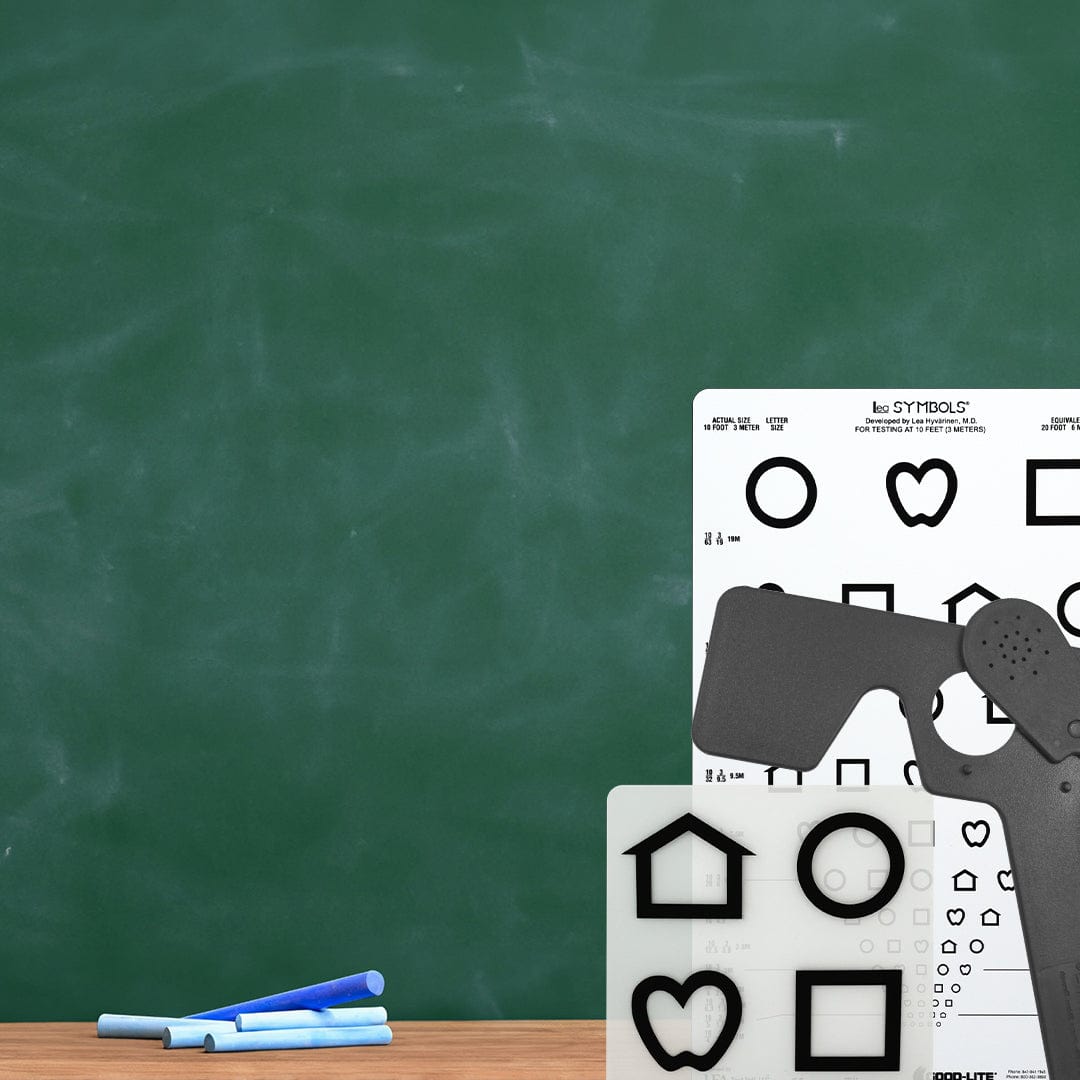
As concerns about myopia continue growing, early detection remains one of the most effective tools available. Vision screening programs can help identify children who may be developing refractive errors before vision problems begin affecting academic performance or daily activities.
Routine eye examinations also provide opportunities to monitor changes in vision over time and implement management strategies when appropriate.
Many healthcare professionals believe increased awareness, preventative education, and regular screening will play an important role in addressing the growing burden of myopia worldwide.
Technology has transformed how people learn, work, and connect with one another. The challenge moving forward is ensuring that healthy visual habits evolve alongside those technological advances so that progress does not come at the expense of long-term vision health.
Source: Health and Me


